


Specifiers and contractors are starting to ask AI tools questions they once typed into Google. "Which fire-rated cavity barrier suits a timber frame build?" "Who makes a BBA-certified breathable membrane?" If your brand is not in those answers, you are losing ground before anyone visits your website. Checking your AI search visibility does not need a big budget. You can run a useful first pass in about an hour.
This guide shows you how.
If you are asking what AI visibility is, it is simple. It is how often, how accurately and in what context AI tools mention your brand and products when someone asks a relevant question.
That covers three things:
For building product manufacturers, accuracy matters most. A wrong fire rating or an outdated product code is not just a missed opportunity. It can cost you trust with a specifier who spots the error, or worse, one who doesn't.
Start with the questions your buyers would actually ask. Don't write them from your own marketing language. Write them the way a specifier or contractor would.
Aim for a mix:
Draw on real sources. Check your sales team's enquiry emails, technical helpline logs and the questions that come up at CPD sessions. Use regional and project-type variations too. A contractor in Scotland working on a school refit asks differently from a specifier at a London practice.
Write the questions in a spreadsheet before you start. Keep the wording fixed so you can repeat the exercise later.
Run every question through ChatGPT, Perplexity, Gemini and Google AI Overviews. These are the four places your buyers are most likely to meet an AI-generated answer. Each pulls from different sources and behaves differently, so a result on one tells you little about the others.
A few practical tips:
Google AI Overviews won't appear for every search. Where one doesn't show, record that too. It is a useful data point.
For each answer, log which brands are mentioned and in what position. A simple scoring grid works well:
After 15 questions across four platforms, patterns will show. You may find one competitor dominates every compliance query. You may find you appear for brand-led questions but vanish from category ones. That second pattern is common. It means AI knows you exist but doesn't yet see you as an answer to the problem.
This is the step most teams skip, and it is the one that matters most.
Where you are named, check every detail against your current technical data:
Mark each as correct, outdated or wrong. Be strict. A product described as suitable for an application your technical team would never recommend is a risk, not a win.
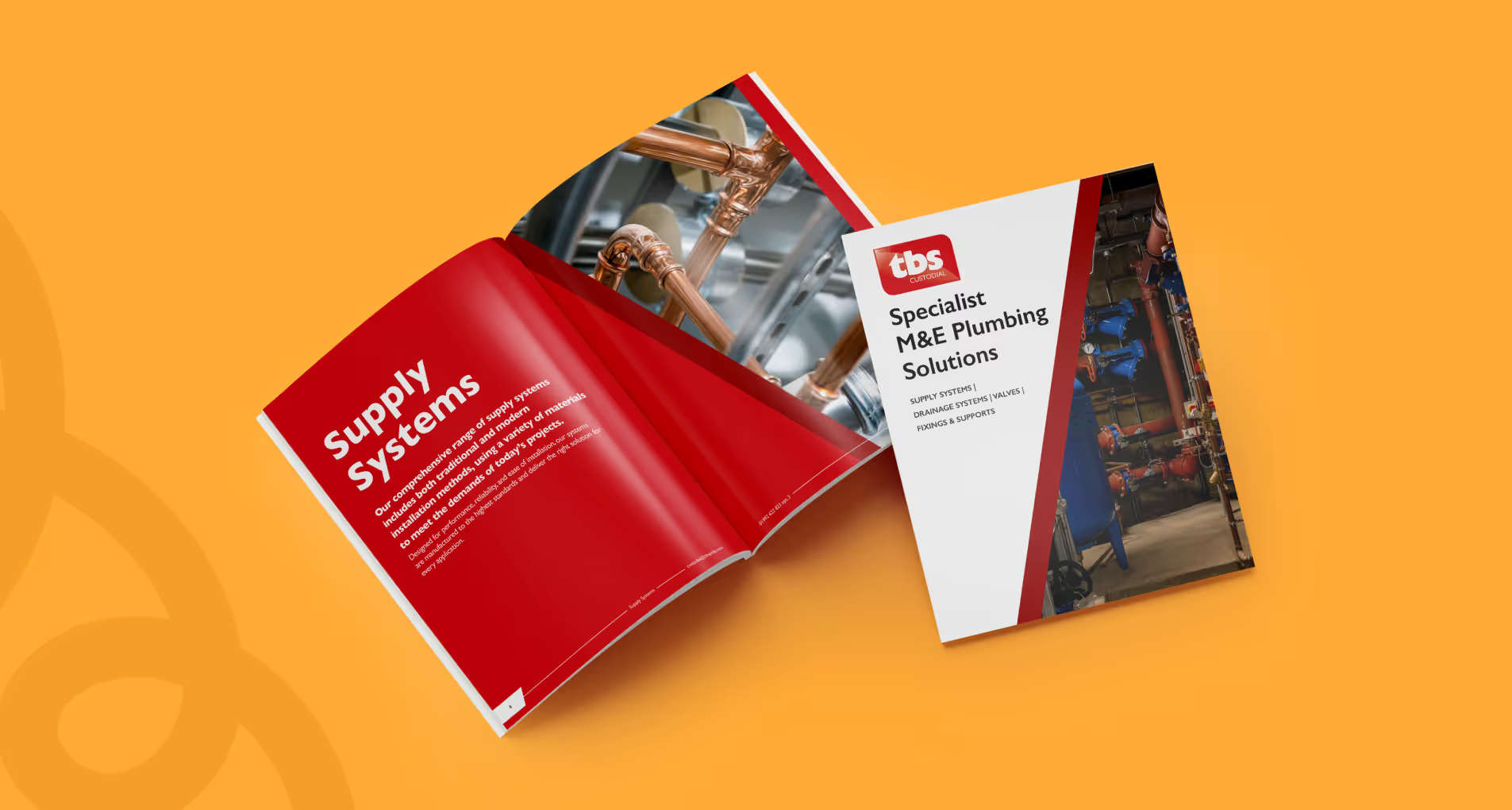
Wrong data usually has a traceable cause: an old PDF still online, a distributor listing with copied figures, or a datasheet that buries the key numbers. If your technical content is hard to read for people, it is hard to read for machines too. Clear technical brochure design and well-structured product pages help both audiences.
Perplexity, Google AI Overviews and sometimes ChatGPT and Gemini show their sources. Record every one.
Sort them into groups:
This tells you where AI is learning about your category. If merchant listings are cited more than your own site, your product pages may not be doing enough. If a trade publication keeps appearing, it is a place worth being present. If your own site is never cited, look at whether your product information is structured and easy to find.
Once you have your results, resist the urge to draw firm conclusions. What you have is a snapshot.
AI answers vary. The same question asked twice can return different brands. Models are updated, search features change, and the sources they favour shift from month to month. A strong result today does not mean you will hold it. A weak one is not necessarily permanent.
A single check can't tell you:
To see a trend, you need the same questions, run on the same platforms, at regular intervals, with consistent scoring. Treat your DIY check as a baseline. Date it, save it and repeat it in a month or a quarter.
A self-check shows you whether there is a problem. A professional AI visibility audit shows you why, and what to do about it.
An audit goes further than an hour's work allows. It uses a wider and more carefully built question set, repeated runs to account for variation, and structured analysis of competitors, citations and accuracy. It then connects the findings to your content, product data and site structure, so you know which fixes come first. For a manufacturer with several product ranges and different buyer types, that clarity saves a lot of guesswork.
Write your questions, run them, score the answers and save the results. You will learn more about how your brand appears in AI search than most of your competitors know about theirs.
Want us to run the check for you? Get in touch and we will talk you through what a full audit would involve.


Trusted by 23+ clients