



Most building product manufacturers invest thousands in video content that no one watches. Drone footage over headquarters. A managing director talking about innovation. Product glamour shots set to stock music. For an audience trying to detail a mechanical riser or choose cavity wall insulation on a tight programme, none of it answers the question they actually need help with. Construction video marketing fails when it prioritises brand theatre over practical value.
The problem is not that specifiers and contractors don't use video. They do. Search YouTube for any installation technique and you will find site managers and subcontractors watching on their phones between other tasks. The issue is that most manufacturer video content does not serve the way these audiences actually work. It does not help them specify correctly, install faster, or solve the technical problems that cost them time on site.
Your audience is not browsing. They are not relaxing on a sofa deciding which brand story speaks to them. They are on site in PPE with poor signal, or at a desk with three tenders due by Friday. Video needs to justify the two or three minutes they are willing to give it.
Generic promotional videos fail because they answer questions no one is asking. A specifier choosing between two warm roof systems does not need to know your company was founded in 1987 or that you care about sustainability. They need to understand buildups, U-values, and how your product performs at junctions. A shopfitter does not want to watch your brand values. They want to see how your track system fixes to different substrates and whether it needs specialist tools.
Most manufacturers also misjudge tone. Construction professionals expect plain explanation, not aspiration. A video that feels like an advert gets closed. A video that helps them do their job gets saved, shared, and remembered when the specification is being written.
The video content that holds attention in construction falls into four categories, each serving a different point in the specification and procurement journey.
Installation and application guides are the highest-value format for most building product manufacturers. These are short, clearly shot demonstrations that show exactly how a product is installed, including the details that product literature assumes or skips. Close-ups of fixing methods. What prep work is needed. Common mistakes and how to avoid them. Tool requirements. Sequence and timing. These videos get watched on site, often multiple times, and they directly reduce installation errors and technical queries to your support team.
Technical explainers help specifiers and designers understand how a product works and why it performs the way it does. Not marketing claims, but mechanisms. How does the drainage channel handle surface water? What makes this fire door achieve 60 minutes? Why does your beam clamp distribute load safely? These are short, diagrams-and-voiceover pieces that answer the questions your technical team fields every week. Done well, they make your product easier to specify correctly and reduce the risk of substitution later.
Product comparison videos serve the consideration stage. When a specifier is choosing between your system and two others, a clear side-by-side explanation of differences saves them research time. This is not about claiming superiority. It is about being transparent on what distinguishes your approach: buildups, compatibility, lead times, accreditations. If you can explain your competitors' approaches fairly and show where yours differs, you build trust.
CPD content sits slightly apart. These are longer, more structured pieces that explain broader technical topics, regulations, or building science principles, with your products shown in context rather than sold directly. When delivered as part of a CPD programme, video works well for remote learning. The goal is specification influence through education, not immediate conversion.
Construction video content works best when it is short and modular. Installation guides should be three to five minutes. Technical explainers two to three minutes. If a topic is longer, break it into separate videos by subtopic or product variant so viewers can jump to what they need.
Structure matters more than production value. A well-lit piece to camera with clear audio and simple on-screen text will outperform a glossy but vague edit every time. Start with what the video covers in the first ten seconds. No lengthy intros. No logos holding on screen. Get straight to the point.
Use chapter markers if the platform supports them. Label sections clearly so someone looking for a specific detail can skip ahead without watching the full piece. Add captions. Site environments are noisy and many people watch with sound off.
Different video types serve different stages. Early in a project, when a specifier is exploring options, technical explainers and comparison content help your product stay in consideration. These are discovery tools. They belong on product pages, embedded near technical downloads, and shared in response to early enquiries.
As a specification tightens, installation guides become more valuable. Contractors and site teams want proof that your product will not slow them down or need specialist labour. These videos reduce perceived risk. Host them prominently on your site, and make sure your sales team can send a direct link when a contractor asks how something fixes.
CPD content works earlier still, at the point where building approaches and material choices are being formed. This is about being present when the decision framework is set, not when the product is being chosen.
Distribution matters as much as production. Video hosted only on YouTube will not reach your audience unless you push it to them. Embed it on relevant product pages as part of your web design work. Include links in technical email sequences. Share clips in response to live enquiries. If your specification support team sends the same explanation five times a week, film it once and send the link instead.
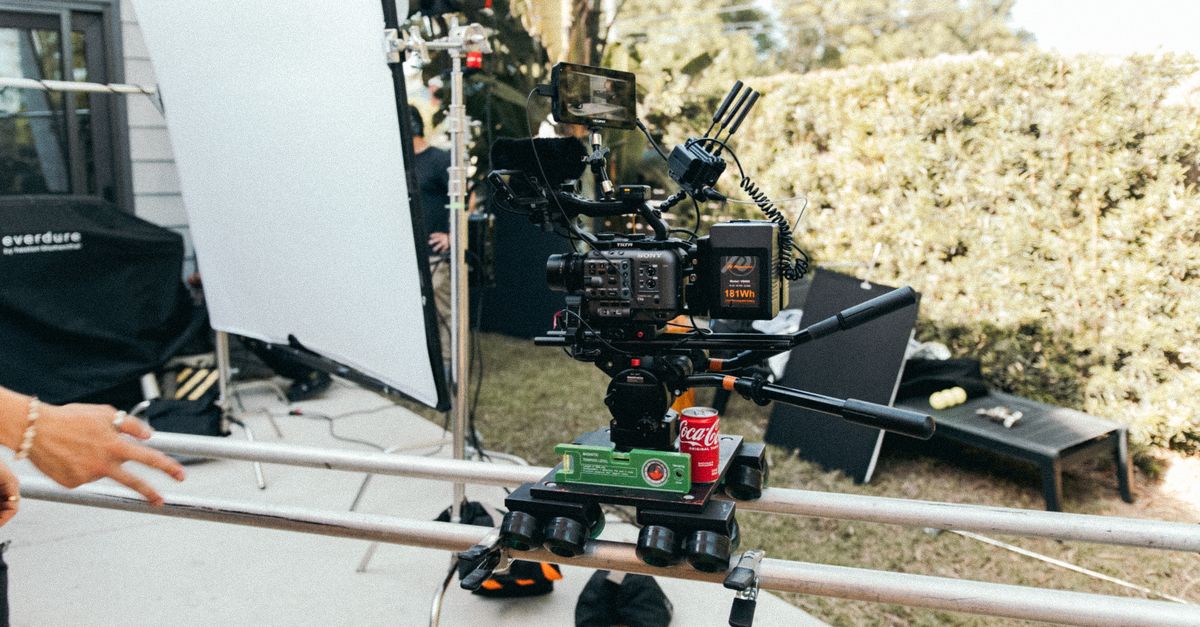
You do not need a film crew. You need someone who understands the product and can explain it clearly. Many of the best construction install videos are shot by technical managers on a phone with a tripod and a lapel mic. What matters is that the camera is steady, the lighting is even, and the explanation is accurate.
Script loosely but do not improvise. Write down the key points, the sequence, and the terminology you will use. Rehearse once. Then record. If you try to read from autocue it will sound stiff. If you wing it, you will circle back and lose clarity.
Where video sits within your wider construction content marketing depends on what else you produce. If you already publish detailed datasheets and installation manuals, video is a faster, more accessible version of that content for people who do not want to read. If your product literature is thin, video will not compensate. The written detail still needs to exist for those who prefer it and for the moments when someone needs to reference a specification clause or a dimension.
Video also complements technical brochure design. A printed guide on a site office wall gets used differently to a video saved on a phone. Both serve the same goal: making your product easier to work with. The audience will choose the format that fits their task and environment.
Most manufacturers produce one video, upload it, and forget it exists. To get value from construction video marketing, treat each piece as a content asset you can use repeatedly.
Break longer videos into shorter clips for social. Embed them in email campaigns. Add them to product pages and technical resource sections. Send them as follow-ups after CPD sessions or specification queries. Include QR codes on printed materials that link to relevant videos so someone on site can pull up an install guide in seconds.
Track what gets watched. Most hosting platforms will show you drop-off points. If everyone stops at 45 seconds, your intro is too long or the content is not what the title promised. If one video gets replayed frequently, that topic matters. Consider expanding it or producing related content.
Finally, keep your video library current. If a product changes, update the video. If installation guidance shifts, re-record. Outdated video is worse than no video, because it creates confusion and extra work for your technical team.
Construction video marketing works when it helps your audience do their jobs faster and with more confidence. That means short, clear, practical content that answers real questions at the moment they are being asked. It does not require cinematic production or a large budget. It requires an understanding of what specifiers and contractors actually need to know, and the discipline to give them that information as directly as possible.
If you are considering video as part of your content strategy and want to make sure it fits the way your audience works, get in touch. We help building product manufacturers plan and structure content that supports specification, not just awareness.


Trusted by 23+ clients